Cauliflower Cultivation
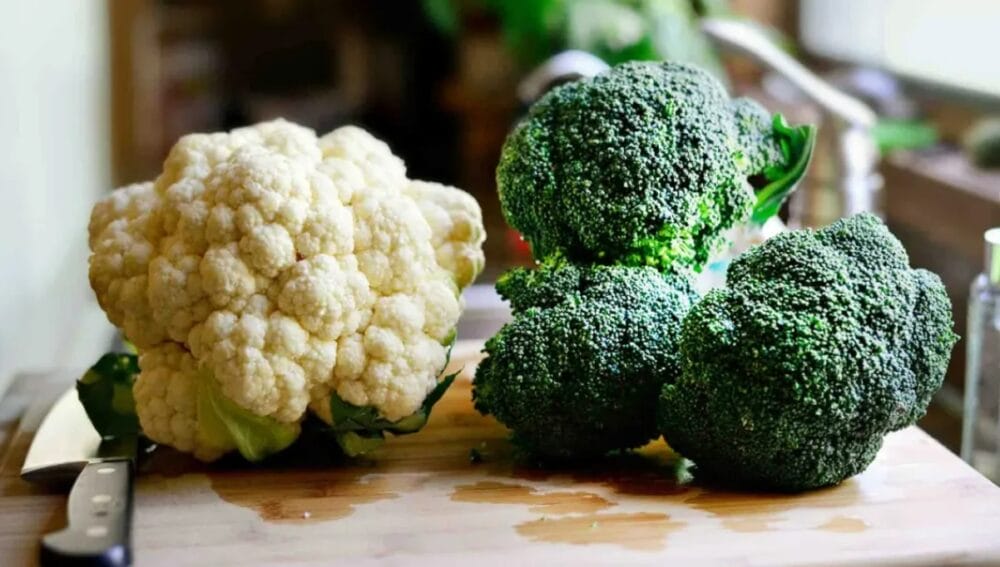
Cauliflower (Brassica oleracea var. botrytis) is one of the most popular winter vegetables grown across India and many parts of the world. Known for its white curd and high nutritional value, cauliflower is widely used in curries, salads, soups, and pickles.
Due to its high market demand and good profitability, cauliflower cultivation is an excellent option for both small and commercial farmers. This blog explains the complete cultivation process of cauliflower, from soil preparation to harvesting.
Climate and Season Requirements
Cauliflower is a cool-season crop that grows best in a moderate climate. The ideal temperature for seed germination ranges between 20–25°C, while curd formation requires cooler temperatures of 15–20°C. Extremely high temperatures may cause poor curd formation or discoloration.
In India, cauliflower varieties are grown in different seasons:



- Early varieties: June–July sowing
- Mid-season varieties: August–September sowing
- Late varieties: October–November sowing
Soil Requirements
Cauliflower grows well in fertile, well-drained loamy or sandy loam soil rich in organic matter. The ideal soil pH ranges from 6.0 to 7.5. Acidic soils can be improved by applying lime, while heavy clay soils should be avoided as they cause waterlogging and root diseases.
Before planting, the field should be ploughed 2–3 times to make the soil fine and weed-free. Adding well-decomposed farmyard manure (FYM) improves soil fertility and structure.
Also Read: How to Make Compost Fertilizer from Kitchen Waste: A Complete Guide
Seed Selection and Nursery Raising
High-quality seeds of improved or hybrid varieties should be selected for better yield. Some popular cauliflower varieties include Pusa Snowball, Pusa Sharad, Pusa Himjyoti, and Snowball 16.
Seeds are usually sown in a nursery bed. Prepare raised beds and sow seeds at a depth of 1–1.5 cm. Light irrigation should be done regularly to keep the soil moist. Seedlings become ready for transplanting within 25–30 days, when they have 4–5 true leaves.
Transplanting and Spacing
Transplant healthy seedlings into the main field during the evening hours to reduce transplant shock. Proper spacing ensures good growth and curd development:
- Early varieties: 45 × 45 cm
- Mid and late varieties: 60 × 60 cm
Irrigate immediately after transplanting to help seedlings establish quickly.
Manure and Fertilizer Management
Cauliflower is a heavy feeder and requires adequate nutrients for optimal growth. Apply 20–25 tons of FYM per hectare during land preparation.
A recommended fertilizer dose per hectare is:
- Nitrogen (N): 100–120 kg
- Phosphorus (P): 60–80 kg
- Potassium (K): 60–80 kg
Phosphorus and potassium should be applied as a basal dose, while nitrogen should be applied in split doses—one at transplanting and the rest during growth stages.
Irrigation Management
Regular irrigation is essential, especially during curd formation. The crop should be irrigated every 7–10 days, depending on soil type and weather conditions. Over-irrigation should be avoided, as it may cause root rot and poor curd quality. Proper drainage is equally important.
Weed Control and Intercultural Operations
Weeds compete with cauliflower plants for nutrients, water, and sunlight. Hand weeding or hoeing should be done 2–3 times during the early growth stages. Mulching with organic materials like straw or dry leaves helps control weeds and retain soil moisture.
Earthing up around plants improves stability and root development.
Also Read:10 Best Fungicides for Vegetables in Winter: Guide to Protecting Your Winter Crops.
Pest and Disease Management
Common pests affecting cauliflower include aphids, cabbage worms, cutworms, and diamondback moths. Regular monitoring and the use of neem-based pesticides or recommended insecticides help control infestations.
Major diseases include damping-off, clubroot, black rot, and downy mildew. Using disease-free seedlings, crop rotation, and proper drainage helps prevent these diseases.
Harvesting and Yield
Cauliflower is ready for harvesting when the curd becomes compact, white, and firm. Harvesting should be done at the right stage, as delayed harvesting leads to loose and yellow curds.
The average yield of cauliflower ranges from 20–30 tons per hectare, depending on variety, season, and cultivation practices.
Frequently Asked Questions (FAQ)
Q1. How long does cauliflower take to grow?
Cauliflower takes about 90–120 days from seed sowing to harvesting, depending on the variety and climate.
Q2. Can cauliflower be grown in pots or home gardens?
Yes, cauliflower can be grown in large pots or containers with good drainage and sufficient sunlight.
Q3. What is the best fertilizer for cauliflower?
A combination of organic manure and balanced NPK fertilizers gives the best results.
Q4. Why does cauliflower turn yellow?
Yellowing occurs due to high temperature, delayed harvesting, or nutrient deficiency.
Q5. How often should cauliflower be watered?
Irrigation should be done every 7–10 days, with more frequent watering during hot or dry conditions.
Q6. Which is the best season to grow cauliflower?
Cauliflower grows best in the winter season, though early and late varieties can be grown in different months.
Also Read:Health Benefits of Green Peas